Why Visit Barcelona: Gaudí, Beaches and the Best Food in Spain.
August 17, 2026 · 8 min read · By Seven Sunsets Travel
August 17, 2026 · 8 min read · By Seven Sunsets Travel
Barcelona is the only major European city where you can see world-changing architecture in the morning, eat some of the best food on the continent at lunch, and swim in the Mediterranean before dinner. It is also one of the most misunderstood — most first-timers spend their week on the wrong four streets.
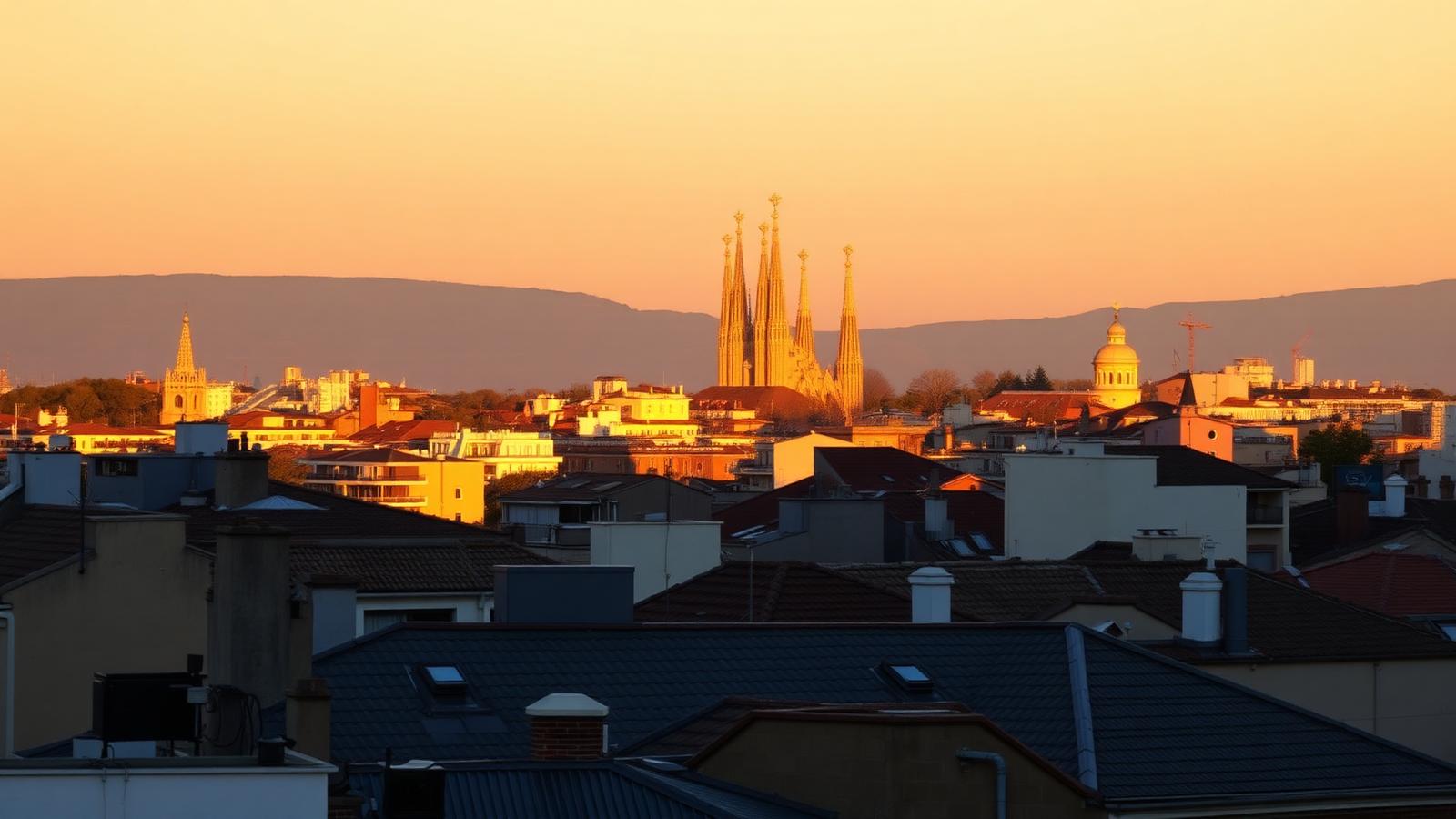
The obvious answer is Gaudí. The Sagrada Família is genuinely unlike any building on earth, and after more than 140 years of construction it is finally nearing completion — the central Tower of Jesus Christ topped out in 2026, making it the tallest church in the world. Casa Batlló, Casa Milà and Park Güell round out a body of work no other city can match.
But Gaudí is the headline, not the trip. What actually makes Barcelona work is that it is a beach city and a great food city and a walkable medieval city, all inside the same eight square miles. Few places let you fill a week this differently each day.
Catalan cooking is its own tradition, not a regional version of Spanish food: pa amb tomàquet, escalivada, fideuà, seafood rice, and vermouth on Sunday before lunch. The city has a deep bench of small tapas bars where $30–40 buys a serious meal, alongside one of Europe's densest concentrations of Michelin stars if you want to spend more.
Two rules worth internalizing. First, eat late — kitchens fill at 9:30pm and the places that serve dinner at 6pm are cooking for tourists. Second, walk two blocks off any major avenue before sitting down; the price drops and the quality climbs.
Worth it: Sagrada Família with a timed ticket booked weeks ahead and the tower add-on. Casa Batlló for the interior, which is far stranger than the façade suggests. Sunset from the Bunkers del Carmel. Mercat de Santa Caterina or Sant Antoni for a market that still serves the neighborhood. A day trip to Montserrat, or to the Costa Brava coves in summer.
Be careful with: La Rambla, which is a place to walk once and never eat on. La Boqueria market at midday is a crush — go before 10am. Park Güell requires a timed ticket for the monumental zone; turning up without one means seeing the free part and leaving annoyed. And Barcelona has Europe's most persistent pickpockets: a zipped bag worn in front solves almost all of it.
Barcelona is mid-priced by Western European standards — more than Lisbon, less than Paris. Expect $170–240 per person per day outside flights for a comfortable mid-range trip: a well-located hotel, two meals out, an attraction and transport. Lunch menus run $16–22, a metro ride is about $1.40, and the major Gaudí sites are $30–45 each, which adds up faster than people expect.
Note that the city's overnight tourist tax rose again in 2025 and is charged per person per night on top of your hotel rate — small, but it surprises people at checkout.
May, early June, and September are the best weeks: warm enough to swim, not hot enough to suffer, and lighter crowds than July and August. Spring and fall shoulder months are pleasant for sightseeing but too cool for the beach. Winter is mild, quiet and cheap, with most attractions fully open.
Yes, with one caveat. It is easy, social and well-connected, dining alone at a tapas bar is completely normal, and the metro runs late. The caveat is petty theft, which is opportunistic rather than dangerous — the habits in our solo travel hub handle it.
Three days in Barcelona gets you Gaudí and the Gothic Quarter and not much else. Seven days is where the trip becomes a real one: the architecture without rushing, a full beach day, Gràcia and Montjuïc, a day trip to Montserrat or the Costa Brava, and a market morning that is not a scheduled activity.
The planning problem is timed tickets. Sagrada Família, Park Güell, Casa Batlló and Casa Milà all sell specific entry slots, and the order you book them in decides how much of your week you spend crossing the city. Get that wrong and you lose hours a day to the metro.
Our seven-day Barcelona itinerary sequences all of it: day-by-day timings that respect the ticket slots, a hotel matched to your budget tier, booked excursion links, restaurant picks by neighborhood, and the day trip placed on the day that works. Three tiers, one flat price, no commissions, no planning calls.
You book everything yourself and keep your points and your refunds. We just remove the twenty hours of research in front of it.
8 min read
$8 ramen, perfect trains, temple mornings and Mount Fuji two hours away. Why Tokyo is far easier than it looks — and how long you actually need.
8 min read
Walk behind a waterfall, stand on a glacier, soak in a geothermal lagoon — and yes, have a life-changing cinnamon roll in Reykjavik. Why Iceland is the perfect first big trip.