Why Visit Iceland: Waterfalls, Black Sand and the Best Cinnamon Roll of My Life.
September 1, 2026 · 8 min read · By Seven Sunsets Travel
September 1, 2026 · 8 min read · By Seven Sunsets Travel
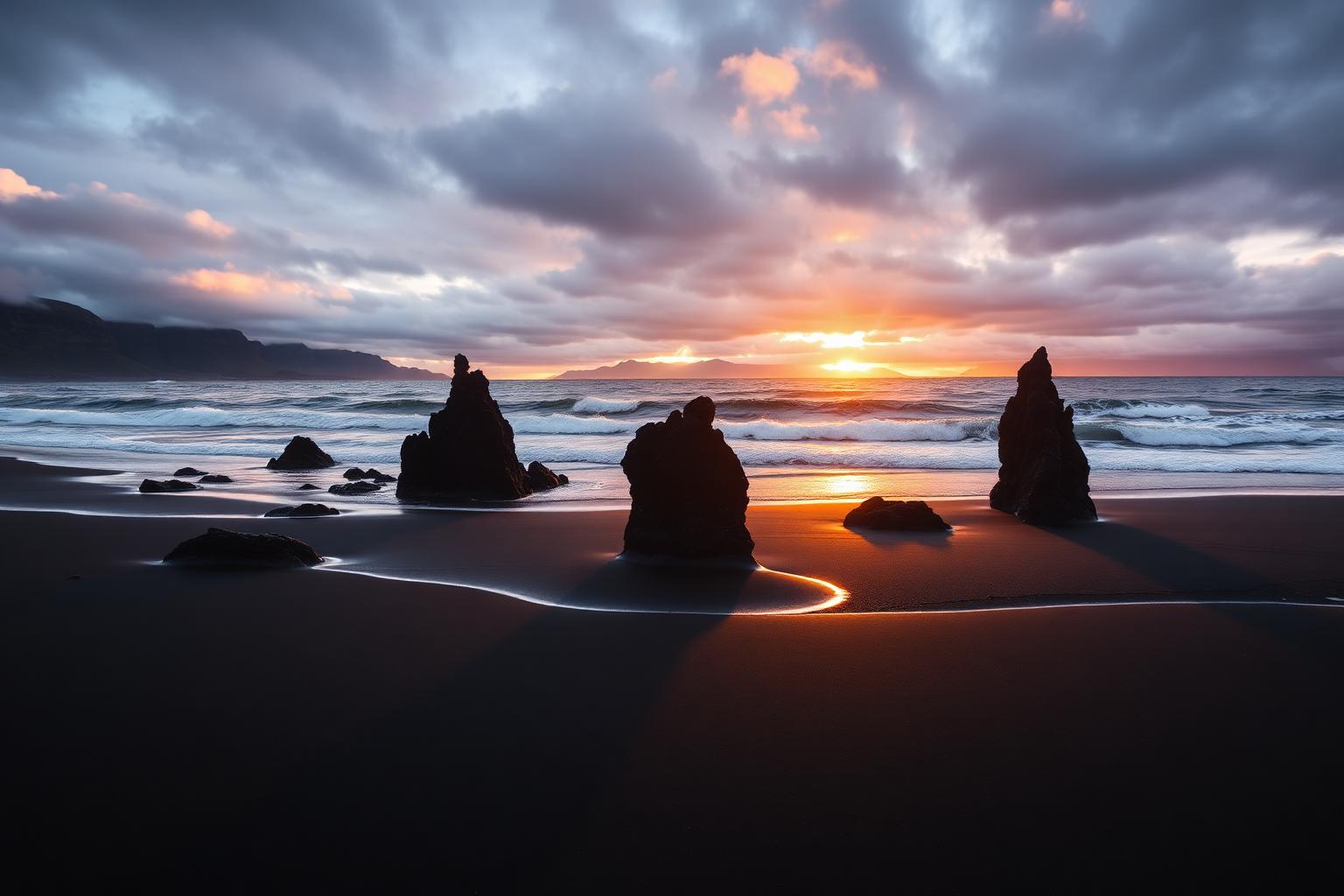
Iceland is the trip that resets your sense of what a landscape can do. Waterfalls you can walk behind, black sand beaches, glaciers you can stand on in the morning and a geothermal lagoon by afternoon — and all of it on one road you can drive yourself. It is also far easier, and far safer, than its dramatic reputation suggests.
Because no other destination packs this much raw scenery into a week. The South Coast alone gives you Seljalandsfoss and Skógafoss, the Reynisfjara black sand beach, and the Sólheimajökull glacier in a single day's drive. Add the Golden Circle, the Snæfellsnes Peninsula and a few days in Reykjavik, and you have a trip where every single day looks completely different from the last.
It is also one of the simplest countries in the world to travel in. Nearly everyone speaks excellent English, the Ring Road is paved and easy to follow, credit cards work everywhere including remote gas stations, and Iceland has ranked first on the Global Peace Index every year since 2008. For a destination that looks like another planet, the logistics are remarkably down to earth.
Nobody flies to Iceland for the food, and nearly everyone comes home talking about it. The lamb is outstanding, the fish was probably caught that morning, and the hot dog stand in Reykjavik really is worth the line. But the sleeper category — the thing nobody warns you about — is the bakeries.
Icelandic baking is its own quiet tradition: dense rye bread baked in geothermal ground, kleinur (twisted, cardamom-scented doughnuts), vínarterta, and pastries that would hold their own in Copenhagen. I will confess something here: I had the best cinnamon roll of my life in Reykjavik. Not in Paris, not in Vienna — in a small bakery on a side street in Iceland, still warm, with a caramelized crust and a soft middle that I have thought about regularly since. If you do one thing on your first morning in the city, walk to a local bakery — Brauð & Co is the one everyone mentions, and for once the hype undersells it — order whatever cinnamon roll is coming out of the oven, and take it outside into the cold air. It is a core memory waiting to happen.
Worth it: walking behind Seljalandsfoss (bring a rain layer — you will get soaked and love it). The Jökulsárlón glacier lagoon and Diamond Beach. At least one proper geothermal soak — the Sky Lagoon and local neighborhood pools deliver most of the Blue Lagoon experience with far less crowd. A glacier hike with a certified guide. And in winter, a northern lights hunt away from city lights.
Be careful with: the Blue Lagoon, which is fine but overpriced relative to the alternatives — book it for arrival or departure day since it sits next to the airport, or skip it entirely. Restaurant prices in Reykjavik, which run 30–40% above what first-time visitors budget. And the weather forecast: it changes by the hour, and the locals' rule is real — if you don't like the weather, wait fifteen minutes. Pack layers, not optimism.
Iceland is expensive, and pretending otherwise would waste your time. Budget $220–320 per person per day outside flights for a comfortable mid-range trip: a guesthouse or good hotel room, a rental car split between two, fuel, one paid activity and meals. Casual restaurant mains run $25–40, a beer is $10–12, and groceries from Bónus or Krónan are the single best money-saving move you can make — picnic lunches taste better at a waterfall anyway.
Two things keep costs sane: tap water that is genuinely among the best in the world (never buy bottled), and nature itself being free. The waterfalls, beaches and viewpoints that make the trip cost nothing.
June through early September is the classic window: midnight sun, every road open, puffins on the cliffs, and temperatures in the 50s and low 60s. September and October are the insider pick — fewer crowds, lower prices, fall colors, and dark enough nights for the northern lights to return. Winter trips are magical for ice caves and aurora hunting but demand flexibility, because storms will rearrange your plans whether you like it or not.
It is arguably the best first solo trip in the world. The safest country on earth, no language barrier, an infrastructure built around independent travelers, and group day tours from Reykjavik that make it easy to see the countryside without renting a car or spending the week alone. Dining solo is completely unremarkable here. Our solo travel hub goes deeper on why Iceland keeps topping our list for women traveling alone for the first time.
Three days in Iceland gets you Reykjavik, the Golden Circle and a permanent sense that you saw the trailer and missed the film. Seven days is where the country opens up: two or three days based in the capital, a full South Coast run as far as the glacier lagoon, a day on Snæfellsnes, a proper lagoon soak, and enough slack in the schedule to chase the weather instead of fighting it.
The planning difficulty is sequencing and daylight. Distances look small on the map and drive long in practice, tours sell out weeks ahead in summer, and which day you do the South Coast should depend on the forecast, not on the order you booked things. That coordination is exactly the work that eats a weekend of research.
Our seven-day Iceland itinerary sequences the whole trip: day-by-day driving plans with realistic timings, a hotel or guesthouse matched to your budget tier, booked excursion links for the glacier hike and lagoon, restaurant and bakery picks (cinnamon roll included), and buffer built in for Iceland's weather mood swings. Three tiers, one flat price, no commissions, no planning calls.
You book everything yourself and keep your points and your refunds. We just remove the twenty hours of research in front of it.
8 min read
$8 ramen, perfect trains, temple mornings and Mount Fuji two hours away. Why Tokyo is far easier than it looks — and how long you actually need.
8 min read
Museums, neighbourhoods, $26 bistro lunches and the reopened Notre-Dame. An honest case for Paris — and how long you actually need to do it properly.