Why Visit Paris: What the Postcards Get Wrong.
August 17, 2026 · 8 min read · By Seven Sunsets Travel
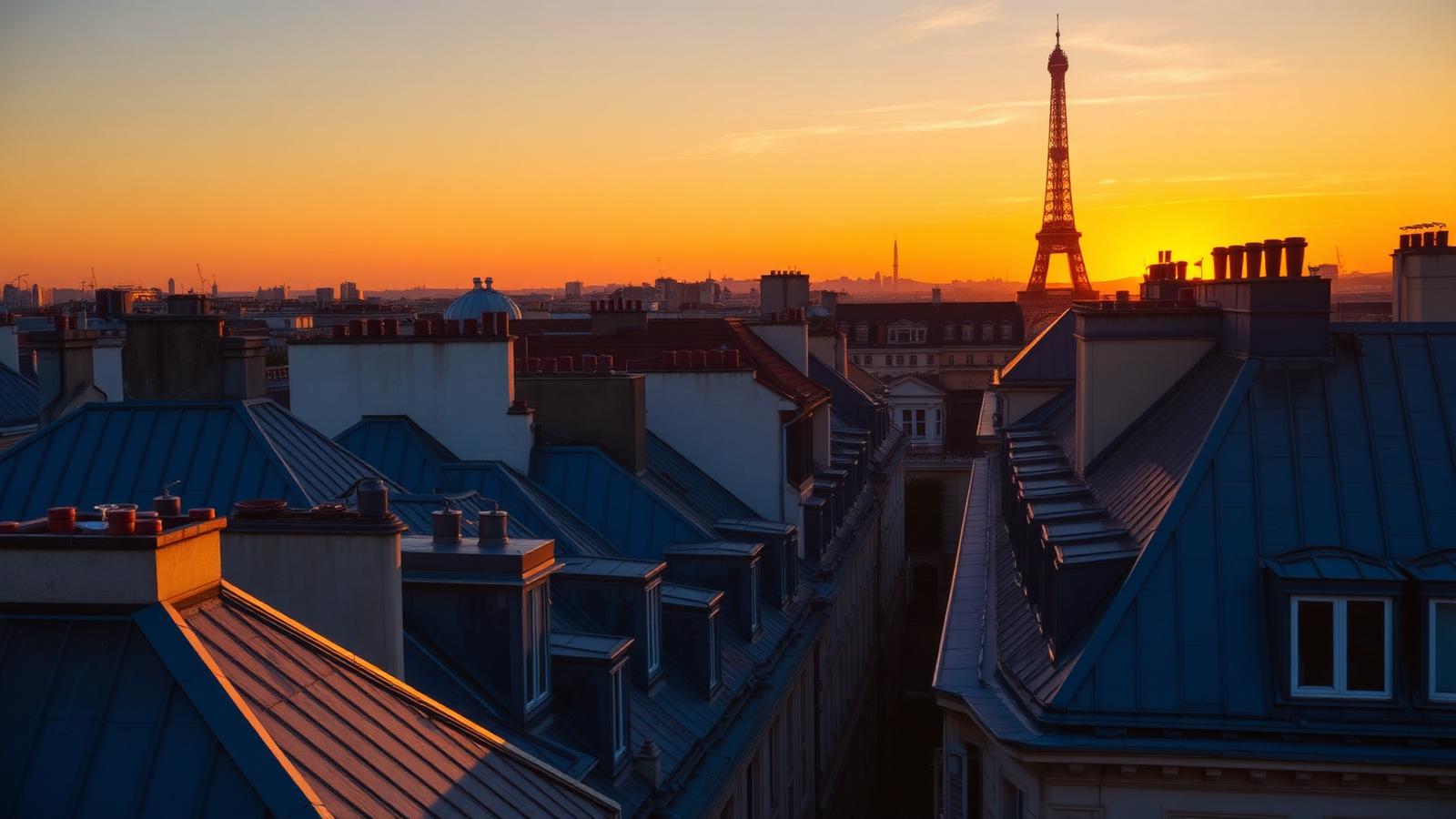
August 17, 2026 · 8 min read · By Seven Sunsets Travel
Everyone has seen Paris before they arrive — which is exactly the problem. The city people fall in love with is not the one on the postcards; it is the one that happens between the monuments, in the neighborhoods, at 6pm on a bench with a coffee. Here is why it is worth the trip, and how long you actually need.
Because nothing else concentrates this much in one walkable place. The Louvre alone would justify a trip; Paris also has the Musée d'Orsay, the Rodin, the Orangerie, the newly reopened Notre-Dame, and a café culture that has been refined for two hundred years. It is a city designed to be looked at, and it rewards slow days more than efficient ones.
It is also more manageable than its reputation suggests. Central Paris is small — you can cross most of it on foot in an hour — and the metro covers the rest for a couple of dollars a ride. Most first-timers over-plan and under-walk.
Paris has both the best and the worst restaurants of any city in Europe, separated by about fifty feet. Anything with a photo menu, a street barker, or a view of a monument is a tourist trap. Anything with a short handwritten menu that changes is usually excellent.
The value move is lunch: a two-course formule at a good bistro runs $22–32, often at a restaurant charging double that in the evening. Add a bakery breakfast, a market picnic in a park, and one proper dinner booked in advance, and you eat extremely well for the week.
Worth it: the Musée d'Orsay, which most people prefer to the Louvre. Notre-Dame, reopened in December 2024 after the fire restoration and free to enter, though it now uses a reservation slot system. Sainte-Chapelle on a sunny morning. The Marais on a Sunday, when much of the city closes but that quarter does not. And one long walk with no destination.
Be careful with: the Louvre without a plan — pick two wings and accept you will miss the rest. The Eiffel Tower summit queue, when the view from Montparnasse Tower or Sacré-Cœur is better and includes the Eiffel Tower in it. And Versailles as a half-day; it is a full day or a wasted one.
Paris is expensive but not unpredictable. Budget $230–320 per person per day outside flights for a comfortable mid-range trip: a small central hotel at $200–280 a night, a bistro lunch, a dinner, a museum and transport. A metro ticket book and a couple of picnic lunches pull that down meaningfully; hotels in the 1st and 8th push it up fast without improving the trip.
Late April to June and September to mid-October are the best windows — mild, long evenings, gardens at their best, and museums busy but not miserable. August empties of Parisians and many neighborhood restaurants close for the month. Winter is grey and dark by 5pm, but the museums are quiet and the hotel rates are the lowest of the year.
Very. Eating alone is unremarkable, the museums are ideal for going at your own pace, and the city is safe in the usual big-city sense — awareness on the metro and around the major stations, and nothing more dramatic than that. Our solo travel hub covers the specifics if this would be your first trip alone.
Three days in Paris is a monument checklist. Seven days is the version people describe for the rest of their lives: two or three big museums without rushing them, a day at Versailles, a day in Montmartre and the north, an afternoon that is nothing but a market and a park, and a neighborhood dinner you booked weeks ago.
The planning difficulty is sequencing. Museums close on different weekdays, Notre-Dame and Sainte-Chapelle use reservation slots, Versailles needs an early train and a timed entry, and the good restaurants take bookings two to four weeks out. Getting that order right is most of the work.
Our seven-day Paris itinerary lays out the full week: day-by-day plans that respect closing days and entry slots, a hotel matched to your budget tier, booked excursion links, restaurant picks by arrondissement, and Versailles placed where it fits. Three tiers, one flat price, no commissions, no planning calls.
You book everything yourself and keep your points and your refunds. We just remove the twenty hours of research in front of it.
8 min read
$8 ramen, perfect trains, temple mornings and Mount Fuji two hours away. Why Tokyo is far easier than it looks — and how long you actually need.
8 min read
Walk behind a waterfall, stand on a glacier, soak in a geothermal lagoon — and yes, have a life-changing cinnamon roll in Reykjavik. Why Iceland is the perfect first big trip.