Why Visit Lisbon: The Case for Portugal's Best-Value Capital.
August 16, 2026 · 8 min read · By Seven Sunsets Travel
August 16, 2026 · 8 min read · By Seven Sunsets Travel
Lisbon is the rare European capital that still feels like it belongs to the people who live in it. It is affordable, walkable, warm nine months of the year, and small enough that a week is genuinely enough to know it. Here is why it keeps showing up at the top of first-trip lists — and what a good seven days there actually looks like.
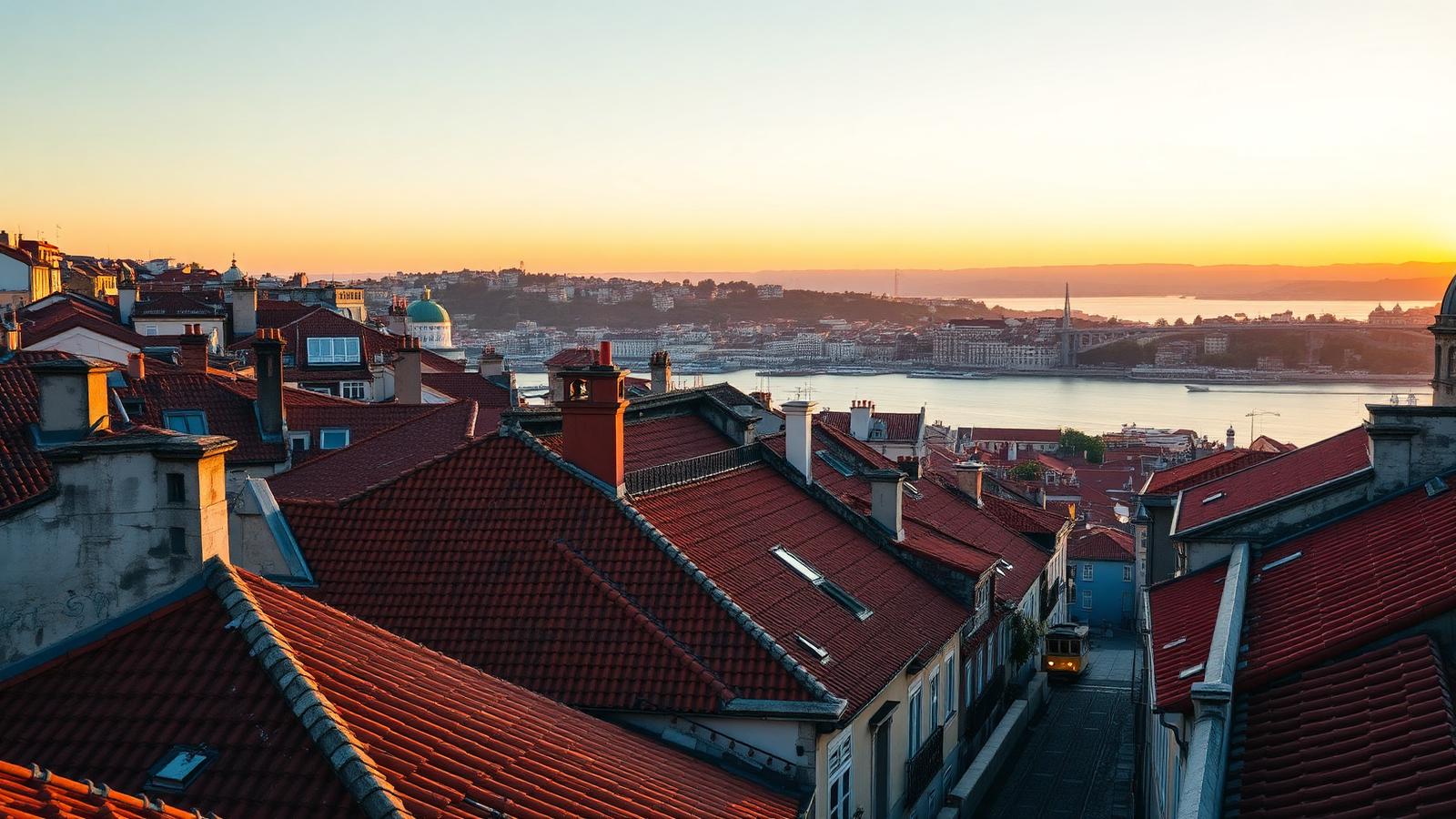
Most travelers arrive expecting a smaller, cheaper Barcelona and leave describing something else entirely. Lisbon is built on seven hills above the Tagus estuary, which means the city constantly opens up in front of you: a plain side street ends in a viewpoint, a tram turn reveals the river, and the light in the late afternoon is genuinely different — low, gold, and reflected off both water and white limestone.
It is also one of the easiest big cities in Western Europe to travel in. English is widely spoken, the metro is clean and cheap, the historic center is compact, and Portugal consistently ranks among the safest countries in the world on the Global Peace Index. For a first trip to Europe — or a first solo trip — that combination is hard to beat.
Prices have risen sharply since 2019, and anyone telling you Lisbon is "cheap" is working from old information. It is, however, still noticeably better value than Paris, Amsterdam or Copenhagen. A neighborhood lunch special runs about $12–16. A glass of good Douro red is $4–6. A comfortable, well-located mid-range hotel sits around $150–220 a night in shoulder season.
Budget roughly $140–210 per person per day outside of flights for a comfortable mid-range trip: central hotel, two proper meals, one paid attraction and transport. You can travel well below that with guesthouses and market lunches, and you can spend a great deal more without the trip actually improving.
Portuguese cooking is not showy. It is grilled fish with good olive oil, pork and clams, salt cod done forty different ways, and custard tarts eaten standing up at a counter. The seafood is landed locally, the wine is dramatically underpriced by European standards, and the best meal of your trip will probably cost under $25.
Three things worth planning around: a proper marisqueira seafood dinner, one long lunch at a neighborhood tasca serving the prato do dia, and pastéis de nata from a bakery that makes them on site rather than trucks them in.
Worth it: São Jorge Castle early in the morning, Jerónimos Monastery with a pre-booked ticket, a small fado house with a set dinner, at least three miradouros (Senhora do Monte and Santa Catarina first), and the Feira da Ladra flea market if your dates include a Tuesday or Saturday.
Be careful with: Tram 28 at midday, which is a standing-room pickpocket bus — ride it at 8am or skip it. A rushed half-day trip to Sintra is the single most common Lisbon regret we hear; it deserves a full day or none. And the National Tile Museum is currently closed for restoration, so do not build an afternoon around it.
April to early June and mid-September to October are the sweet spots: 70s and sunny, long evenings, manageable crowds, and hotel rates well below summer. July and August are hot and busy, though Lisbon stays more bearable than Seville or Madrid thanks to the Atlantic breeze. Winter is mild — 50s and 60s — and genuinely cheap, with the tradeoff of shorter days and some rain.
It is one of the best cities in Europe for it. The center is walkable and well-lit, dining alone is completely normal, and there is enough structure — trams, viewpoints, day trips — that you always have a reason to be somewhere. If you are considering your first trip alone, our solo travel hub covers the safety and confidence pieces in detail.
Three days in Lisbon gets you the highlights and a permanent feeling that you rushed. Seven days is the length where the trip changes character: you get the city itself without cramming, a full day in Sintra's palaces, a day on the coast at Cascais or the beaches across the river, and enough unscheduled hours to go back to the place you liked.
It is also the point where planning gets genuinely hard. Sintra needs timed tickets bought in advance and a specific order of sites to avoid backtracking. Day trips need to be matched to the right days of the week. Hotels in the wrong neighborhood turn every evening into a hill climb. That is the work most people either skip or lose a weekend to.
Our seven-day Lisbon itinerary is the whole trip planned out: a day-by-day plan with realistic timings and walking routes, a hotel picked for your budget tier, booked excursion links, restaurant picks by neighborhood, and the day trips placed on the days that actually work. Three tiers — budget, mid-range and luxury — one flat price, no commissions, and no planning calls.
You keep control of every booking, your points and your refunds. We just remove the twenty hours of research in front of it.
8 min read
$8 ramen, perfect trains, temple mornings and Mount Fuji two hours away. Why Tokyo is far easier than it looks — and how long you actually need.
8 min read
Walk behind a waterfall, stand on a glacier, soak in a geothermal lagoon — and yes, have a life-changing cinnamon roll in Reykjavik. Why Iceland is the perfect first big trip.